Page 3 of 5
Spine Care Blog
-
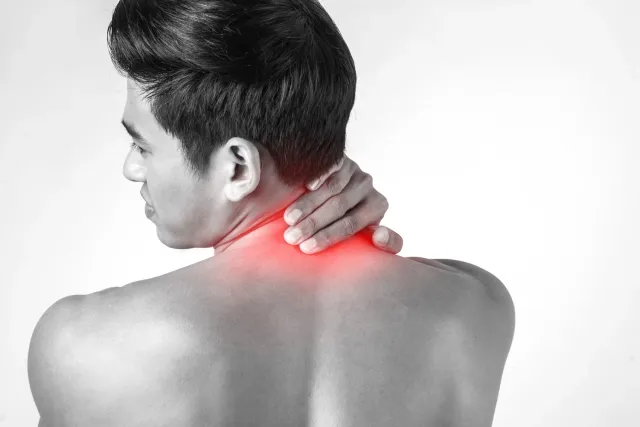
Revolutionizing Neck Pain Treatment: Our Minimally Invasive Approach
Dr. Nitin Khanna, a renowned spine care specialist, is pioneering innovative techniques in neck pain treatment. His extensive experience and deep understanding of spinal health have positioned him as a leading figure in minimally invasive surgery.
-

COVID and Back Pain
If you have had a positive COVID test, been sick with a COVID-19 infection for a long period and are experiencing on-going back pain once your infection has passed, it is best to talk to your doctor or a spine care specialist about options available to lessen the pain. It is important that you let the physician know that you have had COVID and if back pain was a significant symptom for you.
-
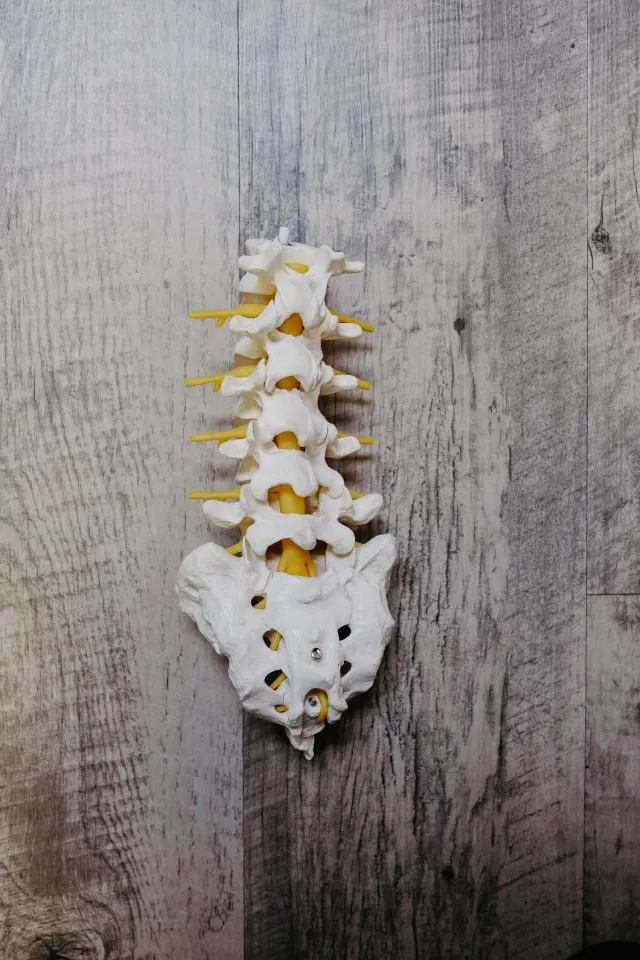
Degenerative Spine Illness and Lumbar Fusion
MIS was linked to a higher likelihood of satisfaction three months after lumbar fusion in patients with degenerative spinal conditions.
-

Avoiding Holiday-Induced Back Pain
For people with chronic back or neck pain, the extra strain of accomplishing your to-do list can overshadow your holiday season. This year, plan ahead so you can get your holiday chores done with minimal pain.
-

Rheumatoid Arthritis and Air Pollution
In a recent study, it was shown that air pollution is associated with increased severity of rheumatoid arthritis (RA) disease.
-

Is Pain Due To Aging Or A Sign Of Spine Fractures
How can I tell if my mother’s back pain is a normal part of aging or something more serious, such as a spine fracture?
-

Pediatrics and Spine
Recently, a new device has been introduced that reduces radiation exposure in pediatric spine surgery — the 7D flash navigation system. Using the same technology that a cell phone uses for facial recognition to unlock your cell phone, this uses the camera to look into the patients’ body through the incision.
-

Research: From Flip-Phones To Helping Fix Spines
As the team began looking at what was required for spinal movement and disc replacement they found a lot in common with what is required for that type of device. Then they realized the similarities between what they had developed and the phone hinge. The team began to focus on the challenge of designing a replacement that emulates the function of a spinal disc.
-
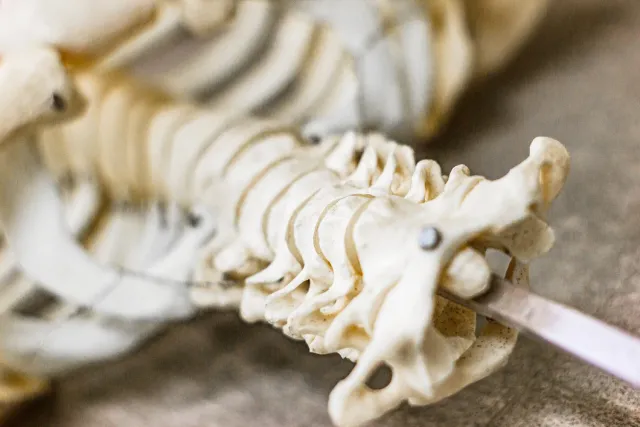
New Research May "Cure" Spinal Cord Injuries!
Severe spinal cord injuries are incurable today in humans, but this therapy, involving liquid nanofibers that gel around a damaged spinal cord like a soothing blanket, produces chemical signals to promote healing and reduces scarring.
-
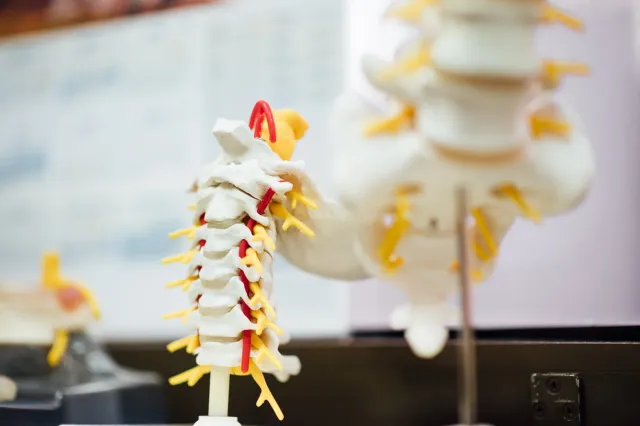
Spinal Stenosis
Lumbar canal stenosis is the narrowing of the spinal canal or the tunnels through which nerves and other structures communicate with that canal. Narrowing of the spinal canal usually occurs due to changes associated with aging that decrease the size of the canal, including the movement of one of the vertebrae out of alignment.
-

Cervical Herniated Disc Symptoms and Treatment
Cervical herniated disc pain and related signs are typically felt in one arm or the other. Symptoms can vary depending on which disc has herniated and which nerve root has become pinched or inflamed. Rarely, the pain, tingling, numbness, and/or weakness can go into both arms or lower in the body if the spinal cord is affected.
-
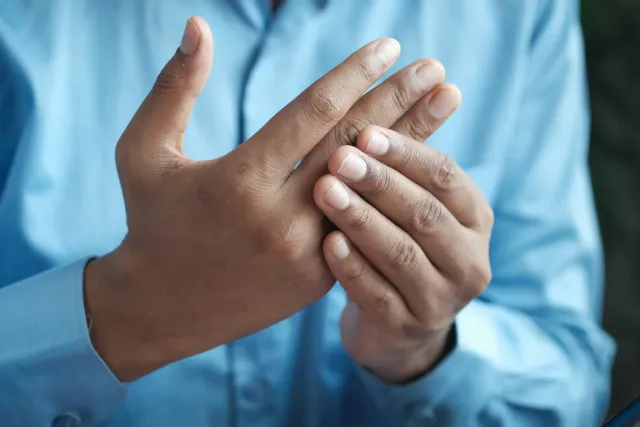
More Than Half of Americans Plagued By Pain
The researchers found that 39% of adults had back pain, 37% had hip, knee or foot pain, and nearly one-third had hand, arm or shoulder pain in the past three months. About one in 10 suffered from toothaches.
-
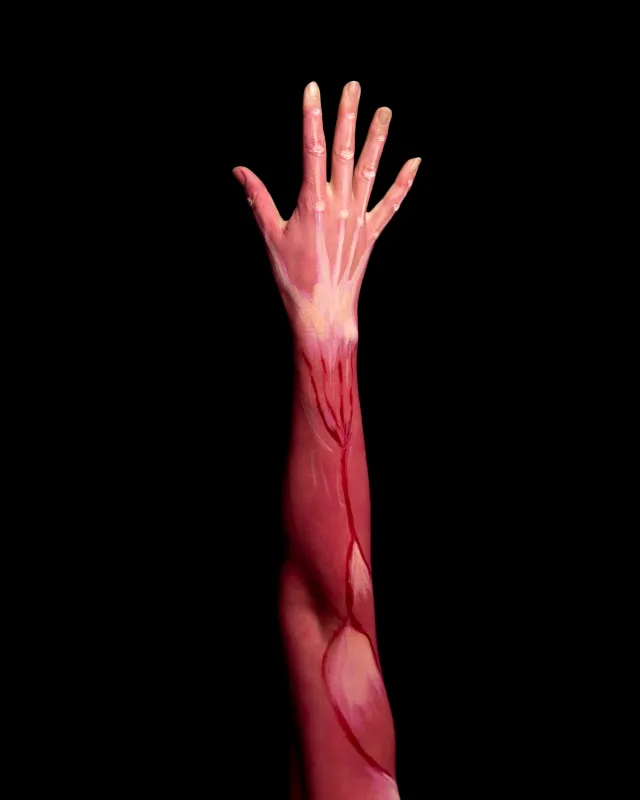
Muscle Relaxants For Treating Spine Pain
In a study about the use of muscle relaxants for low back pain, the authors concluded that there was scarce clear evidence supporting the use of muscle relaxants for low back pain.
-
MIS Spine Tech -- Fads vs Innovations
Minimally invasive technology has developed rapidly in spine surgery, with many technologies demonstrating significant clinical advantages, but others promising more than they could deliver and largely falling by the wayside.
-
A Platform To Increase Safety, Efficiency, And Procedural Reproducibility of Spine Surgery
This will help lead the digital transformation of spine surgery. Spine surgeons will be able to seamlessly work with various technologies to address more of the clinical challenges in surgery from a single platform.
-
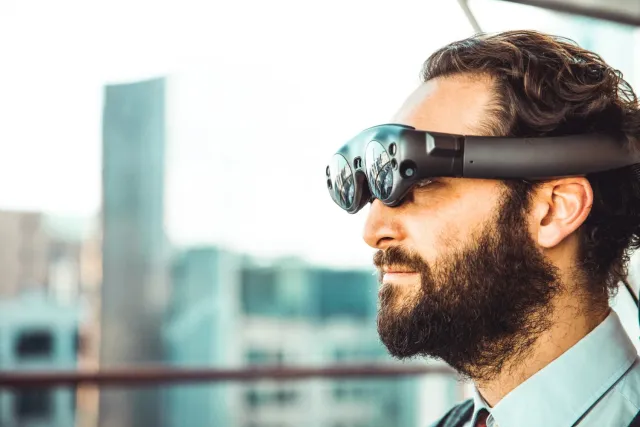
Interview: "MIND-BLOWING HOOSIER MEDICAL DEVELOPMENTS" for Building Indiana
“We have come a long way with minimally invasive spine surgery, disc replacement, and safe spine surgery,” said Nitin Khanna, MD, orthopedic surgeon. “Working together [with our skilled staff] through the years has allowed for an extremely low complication rate.”
-
What are the biggest payer problems for orthopedic practices?
A large orthopedic group's size and market dominance should drive contracting. However, this is not always the case. Insurance companies have gotten bolder and more hostile in their approach to providers. This has spurned the entrance of private equity into health care.
-
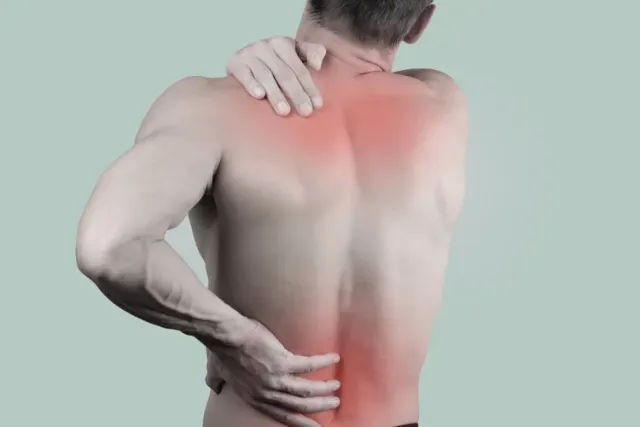
Kyphoplasty: A Minimally Invasive Procedure for a Longterm Spine Solution
Kyphoplasty is among the treatments for a spine compression fracture. It is an effective, minimally-invasive surgery that works by repairing the collapsed vertebrae.
-
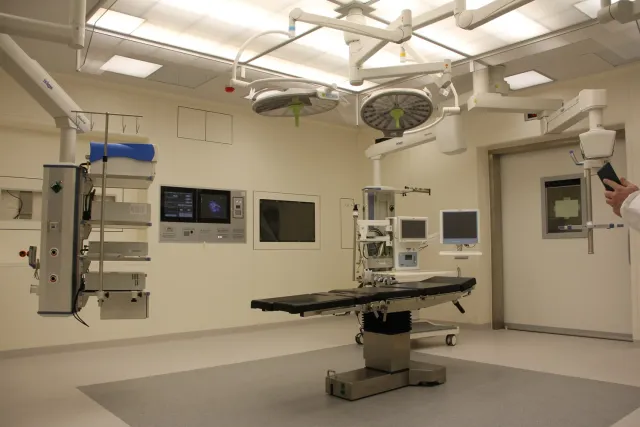
One or Two Millimeters Makes A Big Difference
Robotics allow us to perform minimally-invasive surgeries with increased safety and precision, leading to less blood loss, less post-operative pain and faster recovery.
-
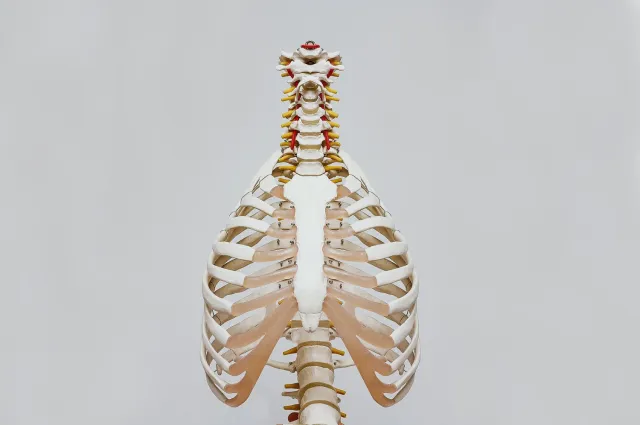
Spine Surgery Going Away From Fusions
Outpatient surgery and fewer fusions are likely the future of spine surgery.
Become a patient
Ready for the next step in your spine care?
Book an appointment with Dr. Khanna — or send your MRI for a second-opinion review before deciding on surgery.