Work injury
From common spine injuries to worker’s compensation

01 — Workers' compensation
Workers’ Compensation
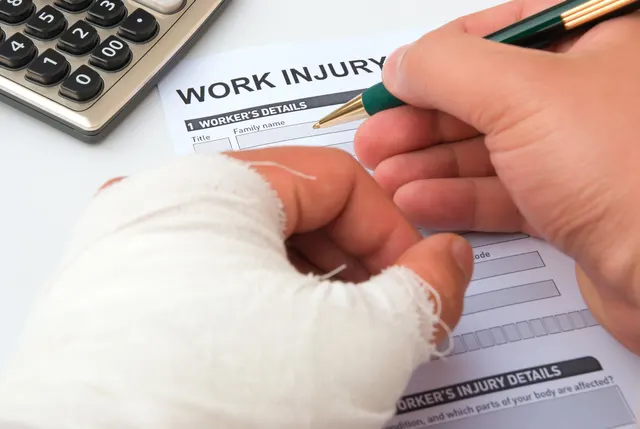
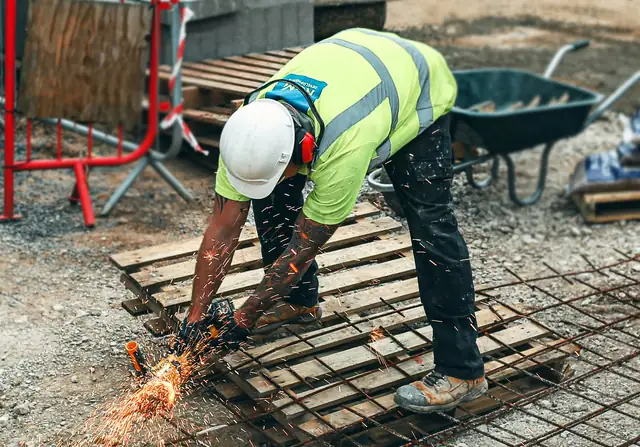
Workers’ compensation and spinal injuries often go hand in hand. Each year close to 1 million American workers suffer a spine injury on the job, making neck and back injuries the most common workplace grievance. This is due to the high number of neck and back injuries caused by unsafe lifting, falling objects and workplace hazards. If you have been injured on the job, you may be eligible to have your treatment paid for by your employer.
Dedicated Care
Dr. Khanna is dedicated to ensuring patients being treated for work related injuries receive expert medical care. He wants to see patients return safely to their work environment as quickly as possible. In order to achieve this, our team of worker’s compensation professionals help you manage the process, making sure your recommended treatment is expeditiously provided.
Prompt Appointments
We know how important it is for the patient to: be evaluated as soon as possible, gain access to their own medical information and receive updates on their treatment status. Initial evaluations are scheduled within 24-48 hours and in some cases, same day appointments are available.
Thorough Communication
We work to confirm your care providers, insurance companies, nurse case managers, and employers are apprised of the status of injured workers and treatment plans. Work status reports and dictations are provided within 24 hours of a patient appointment. We also understand the arduous process of filing claims and documenting treatment. It can be a stressful and overwhelming time. We make it a priority to assist our patients through every step of the process.
Additionally, Dr. Khanna understands that constant communication with insurance adjusters and nurse case managers is critical in expediting the worker’s compensation process. In order to avoid unnecessary delays, our worker’s compensations professionals are also available to answer any and all questions that may arise during your treatment.
Comprehensive Care
Dr. Khanna’s goal is to deliver comprehensive care for his injured patients. With that in mind and for the convenience of the patient, the following on-site services are available:
On-site services
- Physical Therapy
- Occupational Therapy
- Work Conditioning
- Open MRI
- X-ray
- PPI Ratings
- Independent Medical Examinations (IME)
Appointments
Prior to scheduling an appointment, we first obtain approval from your adjuster (or case manager). We look forward to participating in your care
02 — Common spine injuries
Common Spine Injuries

Where spine pain comes from
HOW COMMON IT IS
Most individuals will have a minor spine problem or injury at one time or another.
WHAT CAUSES IT
Symptoms can develop from everyday wear and tear, overuse or injury.
WHEN IT HAPPENS
Spine (neck and back) injuries most commonly occur during sports or recreational activities, work-related tasks and/or accidental injury.

What spine pain feels like
WHERE IT IS FELT
Spine pain refers to pain anywhere from the area at the base of the skull into the shoulders, down the back and into the hips. Spine pain can range from a strain to stiffness and even severe pain.
HOW IT SPREADS
This pain can spread to other parts of the body -- the shoulders, upper, middle and lower back, arms, hips and legs. It can even cause headaches.
HOW IT LIMITS MOVEMENT
Sometimes movement of the neck and/or back might be limited, usually more to one side than the other. And this pain can be caused by an injury to one or more of the areas of the spine.

Acute injuries
HOW IT BEGINS
Pain from an injury may be sudden and severe. Bruising and swelling may develop soon after the injury. Acute injuries include:
SPRAIN OR STRAIN
An injury to the ligaments or muscles in the spine, commonly referred to as a sprain or strain. When spine pain is caused by muscle strain, aches and stiffness can spread from the injury site. However, for example, shooting pain that spreads down the arm into the hand and fingers can be a symptom of a pinched nerve. Shooting pain is serious, especially if it occurs in both arms/leg or both hands/feet, versus one arm/leg and one hand/foot.
TORN OR RUPTURED DISC
A torn or ruptured disc; and, if the tear is large enough, the jellylike material inside the disc may leak out (herniate), pressing against a nerve or the spinal cord. You may have a headache, feel dizzy or sick to your stomach, or have pain in your shoulder and/or down your arm.
FRACTURE OR DISLOCATION
A fracture or dislocation of the spine, which can cause a spinal cord injury.

Severe spine injuries
HOW THEY HAPPEN
Severe spine injuries can result from an incident like whiplash in a car accident, falls from a significant height, a direct blow to the back or the top of the head, sports-related injuries, a penetrating injury such as a stab wound, or even external pressure applied to the spine.
WHAT A SPINAL CORD INJURY LOOKS LIKE
Symptoms of a spinal cord injury include loss of movement or feeling, numbness, tingling, difficulty controlling the muscles of the arms or legs and possible loss of bowel or bladder control.
The good news
The good news is that most of the time, spine injuries mainly affect soft tissue — your muscles, tendons, ligaments, and/or fascia. BUT every type of spine injury, including those that involve the bones, joints and discs, will affect your muscles at least to some extent.
Become a patient
Ready for the next step in your spine care?
Book an appointment with Dr. Khanna — or send your MRI for a second-opinion review before deciding on surgery.