21 entries
Research, Publications & Presentations
Research, publications, posters and presentations by Dr. Nitin Khanna, based upon his work as a minimally invasive spine surgeon.
-
-
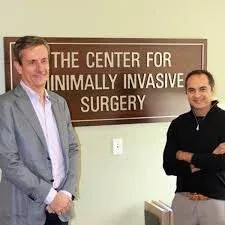
Breaking Through the ‘‘Glass Ceiling’’ of Minimally Invasive Spine Surgery
Publication by Dr. Nitin Khanna on Breaking Through the ‘‘Glass Ceiling’’ of Minimally Invasive Spine Surgery.
-

Floseal Only Versus in Combination in Spine Surgery
Publication by Dr. Nitin Khanna on the Floseal only versus in combination in spine surgery: a comparative, retrospective hospital database evaluation of clinical and healthcare resource outcomes.
-

Safety of the Addition of a Perioperative Electrolyte Drink to an Enhanced Recovery After Spine Surgery Protocol
Advances in perioperative care and minimally invasive surgery have moved inpatient procedures to the outpatient setting. Enhanced anesthesia and recovery protocols are validated in the literature. No attention was given to NPO status for patients and its impact on perioperative recovery and patient satisfaction in minimally invasive spine surgery. We suggest perioperative electrolyte drink (ED) on the day of outpatient spine surgery has potential physiologic benefits and minimal risk for aspiration.
-
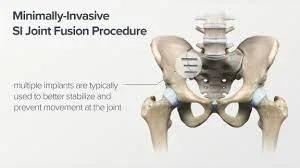
Safety and Reproducibility of Sacroiliac Joint Fusion in an Ambulatory Surgery Center
Presentation by Dr. Nitin Khanna on the Safety and Reproducibility of Sacroiliac Joint Fusion in an Ambulatory Surgery Center.
-
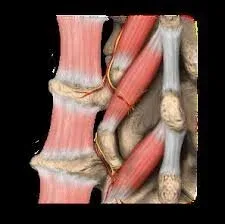
The Effect of Exparil (Injectable Liposomal Bupivicaine) on length of stay after outpatient Midline Fusion
Presentation by Dr. Nitin Khanna on The Effect of Exparil (Injectable Liposomal Bupivicaine) on length of stay after outpatient Midline Fusion.
-
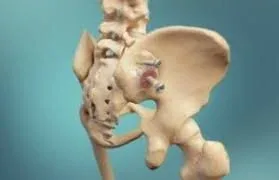
Safety and Reproducibility of SI fusion in an Ambulatory Surgery Center
Presentation by Dr. Nitin Khanna on the Safety and Reproducibility of SI fusion in an Ambulatory Surgery Center.
-
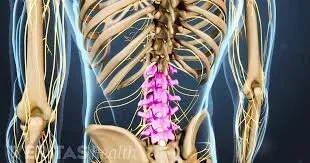
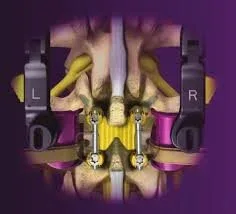
Accuracy and Reoperation Rate for Cortical Bone Trajectory Screws Utilizing the Cannulator Technique
Presentation by Dr. Nitin Khanna on the Accuracy and Reoperation Rate for Cortical Bone Trajectory Screws Utilizing the Cannulator Technique.
-
-
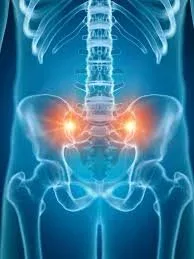
Return to Work Status After SI Joint Fusion in the Worker’s Compensation Population
Increased attention has been placed on the role of the sacroiliac (SI) joint as a pain generator and cause of low back pain. Increasing amounts of data have demonstrated improved clinical outcomes in well selected patients with SI joint fusion. Little research has focused on the clinical outcomes for SI joint fusion in the worker’s compensation population.
-
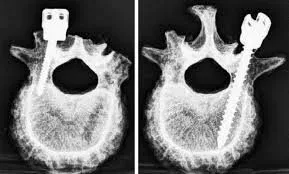
Unilateral Expandable Interbody Cage Placement in Minimally Invasive Midline Fusion
Minimally invasive midline approach utilizing cortical screws has grown in popularity due to its familiar anatomy, limited dissection, and associated decreased morbidity. This approach is well-suited for bilateral “inline” cage placement after bilateral facetectomies. Many surgeons prefer to utilize a single cage, TLIF, for midline fusions to optimize time, decrease exposure, and lower costs. This novel study assessed cage position for a unilateral cage utilizing the minimally invasive midline approach.
-

The Effect of Exparil on Length of Stay for Outpatient Medialized Fusion
There has been significant attention towards moving spine surgery to the outpatient setting as a benefit to both payers and patients. Medialized spinal fusion is a minimally invasive technique that limits the exposure to the lateral border of the facet joints. Previous studies have demonstrated the feasibility of Medialized Lumbar Spinal Fusion in the outpatient setting. Perioperative pain management protocols are essential to developing a successful program.
-
Safety and Reproducibility of Sacroiliac Joint Fusion in an Ambulatory Surgery Center
The evolution of minimally invasive spine surgery has pushed many inpatient procedures to the outpatient ambulatory surgery center (ASC) setting. The potential for shorter recovery times, cost savings and decreased infection rates are major benefits of minimally invasive outpatient spine surgery. We report our early results with the sacroiliac joint fusion (SIJF) procedure performed in the outpatient setting.
-
Accuracy and Reoperation Rate for Cortical Bone Trajectory Screws
There has been an increased utilization of Cortical Bone Trajectory (CBT) screws in treatment of Lumbar Degenerative Spinal pathology. The benefits of this trajectory include easier ergonomics for screw placement and the ability to capture the middle column of the spine utilizing a minimally invasive single incision midline exposure.
-

Meeting Presentations/Posters - ISASS 2017
Meeting Presentations/Posters for ISASS 2017 by Dr. Nitin Khanna.
-

Meeting Presentations/Posters - NASS 2019
Meeting and Presentations - NASS 2019 by Dr. Nitin Khanna
-
Meeting Presentations And Posters - SMISS 2019
SMISS 2019 Presentations and Posters by Dr. Nitin Khanna.
-

Meeting Presentations and Posters - SMISS 2020
SMISS 2020 Presentations and Posters by Dr. Nitin Khanna.
-

-
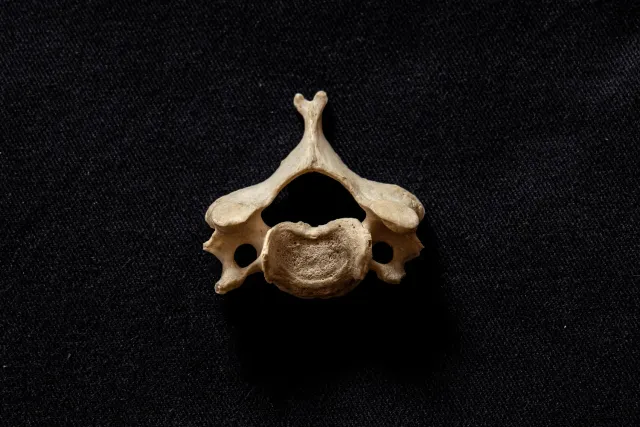
Worker’s Compensation Return To Work Status Post Cervical Disc Replacement
Cervical disc replacement is an option for patients experiencing neck and arm pain and offers unique benefits relevant to the worker’s compensation population. Increasingly, data from the general population have demonstrated excellent outcomes for cervical disc replacement surgery when compared to traditional anterior cervical discectomy and fusion (ACDF). Little research has focused on the clinical outcomes for cervical disc replacement in the worker’s compensation population, specifically regarding return to work time.
-
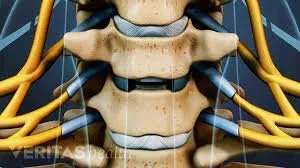
Outpatient Total Cervical Disc Replacement
The evolution of minimally invasive spine surgery has pushed many inpatient procedures to the outpatient ambulatory surgical center (ASC) setting. The potential for shorter recovery times and decreased infection rates are major benefits of minimally invasive spine surgery. We report our early results with the total cervical disc replacement (TDR) procedure performed in the outpatient setting.
Become a patient
Ready for the next step in your spine care?
Book an appointment with Dr. Khanna — or send your MRI for a second-opinion review before deciding on surgery.